Best Sunscreens for Acne-Prone Skin | Non-Comedogenic
How Acne Treatments Affect Sunscreen Needs
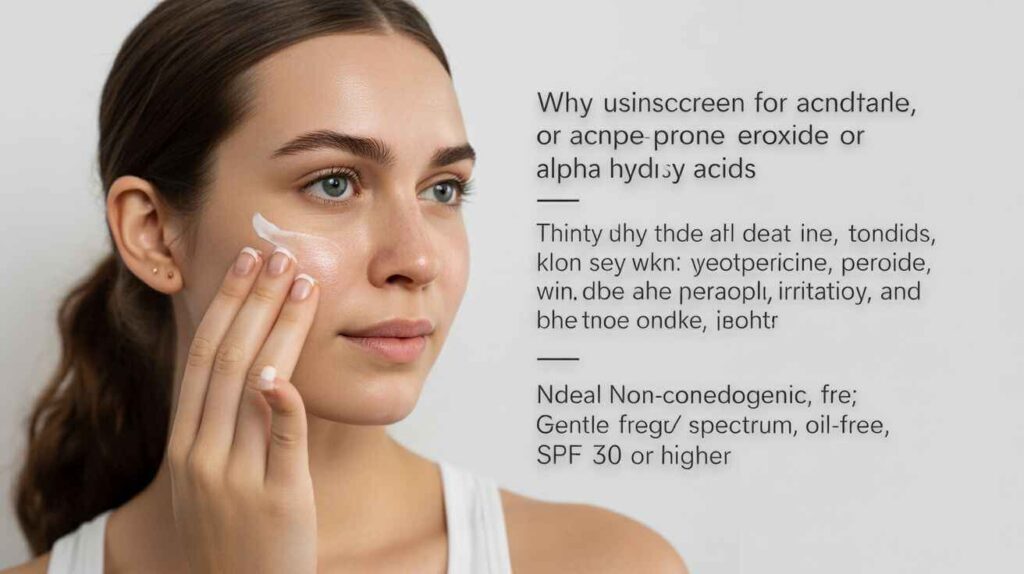
Many acne treatments, such as retinoids, benzoyl peroxide, and alpha hydroxy acids, increase photosensitivity. This means your skin is more vulnerable to sun damage, irritation, and dark spots.
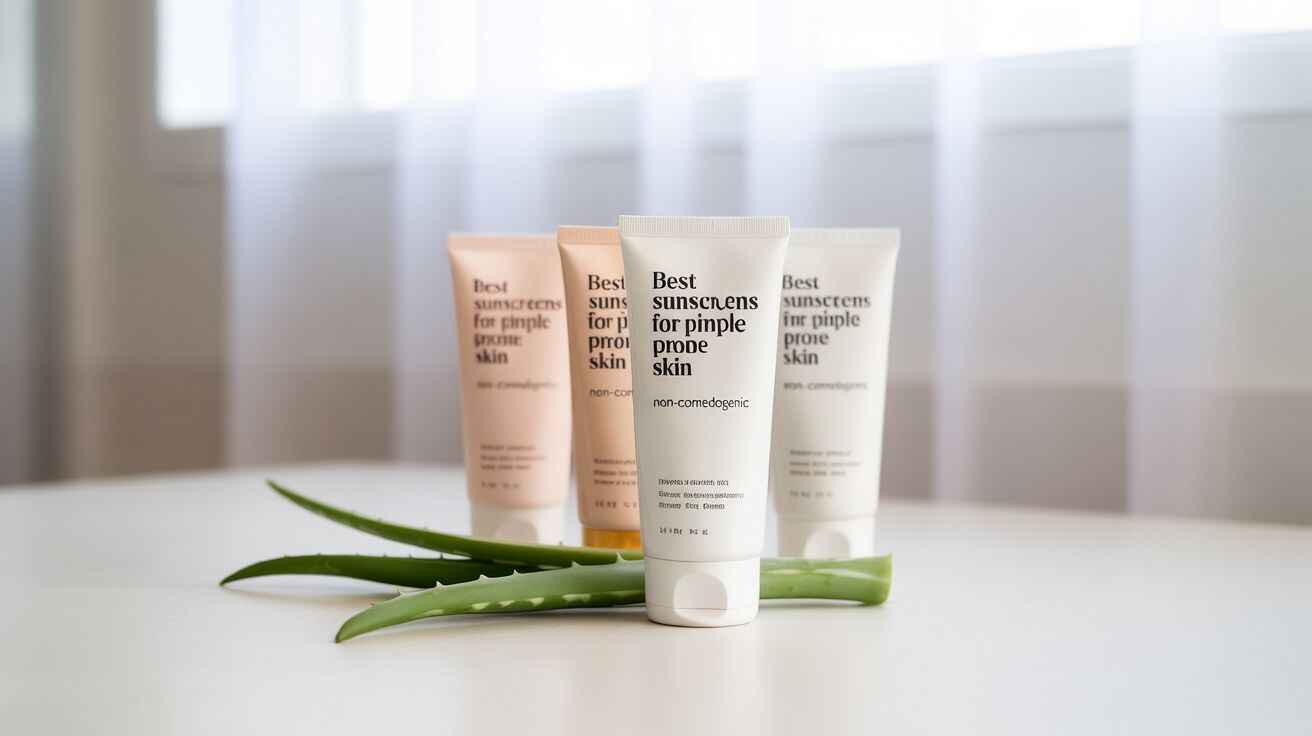
Using a sunscreen for pimple prone skin becomes even more critical when you’re on these medications. The ideal choice is a non-comedogenic sunscreen that’s gentle, fragrance-free, and labeled as oil-free sunscreen. A broad spectrum SPF 30 or higher protects fragile skin while preventing new flare-ups, making it easier for active treatments to work without setbacks.
Mineral vs Chemical Sunscreens for Pimple Prone Skin
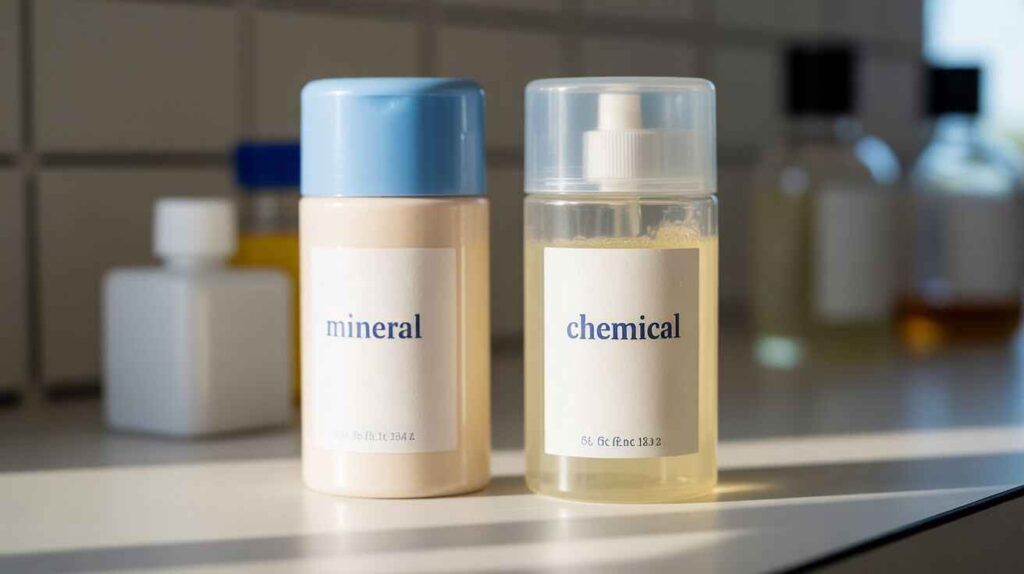
Choosing between mineral and chemical sunscreen can be confusing. Mineral formulas with zinc oxide or titanium dioxide are often recommended for sensitive or acne-prone skin since they’re less likely to irritate. Chemical sunscreens absorb quickly and feel lighter, which some people with oily skin prefer.
The best option depends on how your skin reacts.If irritation is a concern, go mineral; if texture matters most, a non-comedogenic sunscreen with chemical filters may be the right fit. Both provide broad spectrum SPF protection.
Key Ingredients to Look For in Sunscreen for Pimple Prone Skin
Certain ingredients can make a big difference when choosing the right SPF. Niacinamide helps reduce redness and regulate oil, while hyaluronic acid provides lightweight hydration without clogging pores. Zinc oxide is another acne-friendly option that calms irritation and protects against UV rays. Look for sunscreens labeled oil-free and non-comedogenic, ideally with added soothing antioxidants.These formulas are less likely to cause breakouts and can even support skin recovery from acne scars while offering broad spectrum SPF coverage.
Ingredients & Textures to Avoid
Not all sunscreens suit acne-prone skin. Heavy oils such as coconut oil or isopropyl myristate can clog pores and trigger breakouts. Rich creams and petrolatum-heavy formulas may feel greasy and worsen shine. Fragrance and certain botanical oils can also irritate sensitive skin. To minimize flare-ups, avoid sunscreens that aren’t labeled non-comedogenic or oil-free.
Skip pore-clogging and heavily fragranced formulas to keep breakouts under control. Choosing a lightweight sunscreen for pimple prone skin prevents new irritation while protecting against UV damage.
| Sunscreen Issue / Ingredient | Why to Avoid | Recommended Alternative |
|---|---|---|
| Coconut oil, Isopropyl Myristate | Can clog pores and trigger breakouts | Oil-free, non-comedogenic formulas |
| Rich creams / Petrolatum-heavy | Feels greasy, worsens shine | Lightweight gels, lotions, or fluid sunscreens |
| Fragrance | Can irritate sensitive or acne-prone skin | Fragrance-free options |
| Certain botanical oils | May cause irritation or allergic reactions | Soothing, dermatologist-tested ingredients (niacinamide, hyaluronic acid) |
Best Textures & Formats for Oily, Acne-Prone Skin
Texture matters when picking a sunscreen for pimple prone skin. Lightweight gels, fluid lotions, or gel-cream hybrids absorb quickly without leaving residue. Matte finish sunscreen helps control shine, while tinted mineral sunscreens can even out discoloration from acne scars. Powder or stick formats are convenient for reapplication during the day. Opt for lightweight, oil-free sunscreens in gel, matte, or tinted formulas for the best comfort and protection. These options balance coverage with skin clarity.
How to Apply Sunscreen for Pimple Prone Skin
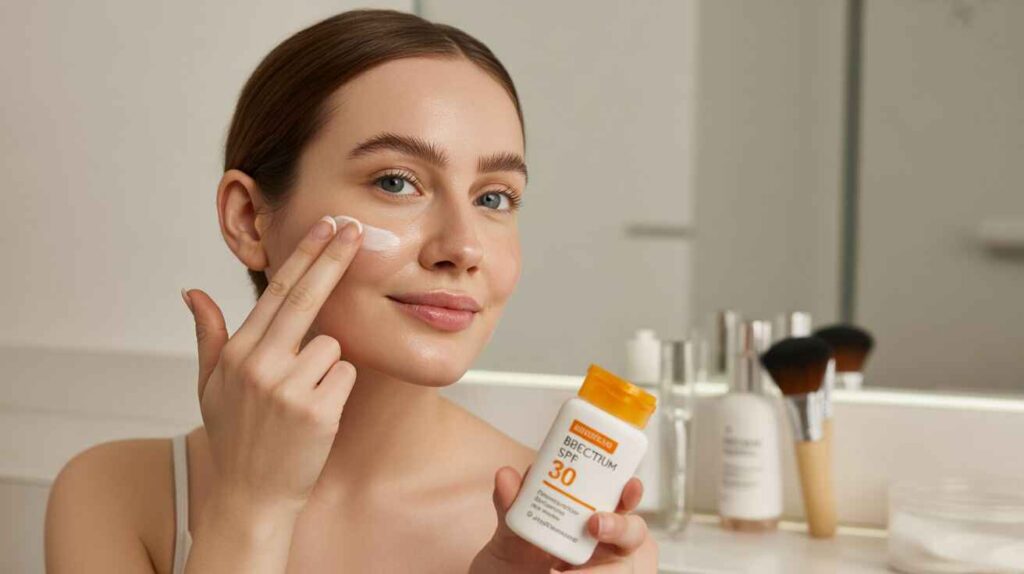
Using the right product is only half the job—application matters too. Dermatologists recommend the two-finger method or about ½ teaspoon to cover the face and neck. Apply sunscreen for pimple prone skin as the final step of your morning routine, after moisturizer but before makeup. Reapply every two hours if outdoors, or use a powder or stick SPF for touch-ups. Consistent, correct application ensures broad spectrum protection without clogging pores or worsening acne.
Daily Skincare Routine with Sunscreen for Pimple Prone Skin
A simple routine keeps acne-prone skin balanced and protected. Start with a gentle cleanser, then apply prescribed treatments if needed. Follow with a light, oil-free moisturizer, or skip it if your SPF already hydrates. Finish with a non-comedogenic sunscreen for pimple prone skin to lock in protection. During the day, reapply with a powder or stick formula to avoid shine. Consistency and lightweight layers help prevent breakouts while keeping skin protected from UV damage.
Top Sunscreens for Pimple Prone Skin (Dermatologist Picks)
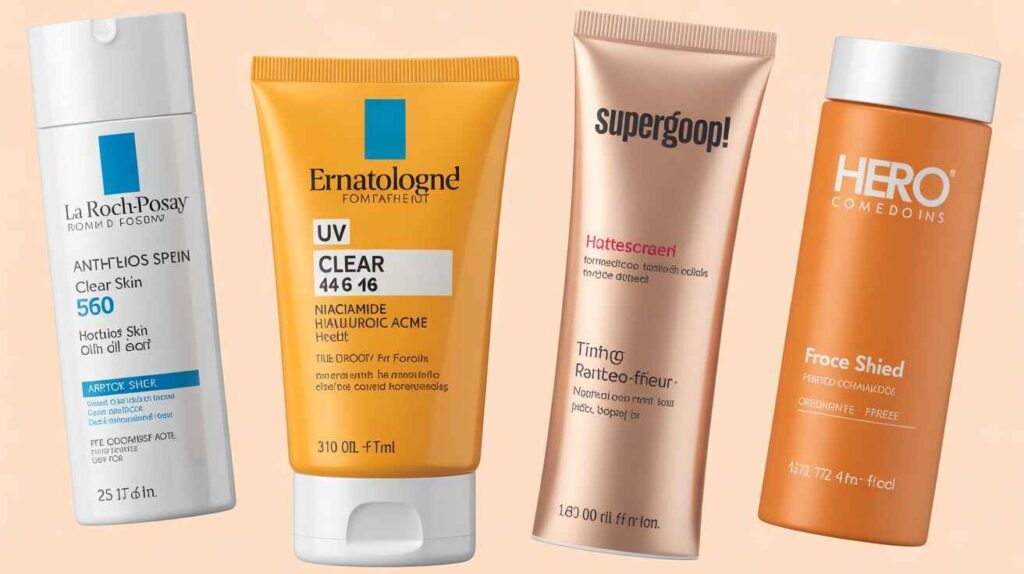
Dermatologists often recommend lightweight, non-comedogenic sunscreens that protect without clogging pores. Popular choices include EltaMD UV Clear SPF 46, known for niacinamide and hyaluronic acid, and La Roche-Posay Anthelios Clear Skin SPF 60, a matte finish formula for oily complexions. Supergoop! Mattescreen offers tinted coverage, while Hero Cosmetics Force Shield provides an affordable, oil-free option. Choose dermatologist-tested, oil-free sunscreens with soothing ingredients to protect acne-prone skin while reducing flare-ups.
How to Test a New Sunscreen Safely
Even the best sunscreen for pimple prone skin can cause issues if your skin reacts poorly. To minimize risk, patch test along your jawline or behind the ear for three days. Watch for redness, irritation, or new pimples before applying it all over. Choose formulas labeled oil-free and non-comedogenic, and introduce only one new product at a time.
Always patch test first to ensure a sunscreen works with your skin before making it part of your daily routine.
FAQs about Sunscreen for Pimple Prone Skin
1. Can sunscreen make acne worse?
Not if you choose the right formula. Heavy creams or products with fragrance, coconut oil, or lanolin can clog pores and trigger breakouts. Instead, opt for oil-free, non-comedogenic sunscreens labeled for sensitive or acne-prone skin. Gel, fluid, or matte-finish formulas are usually safer choices.
Sunscreen itself doesn’t cause acne—using the wrong type does. Always check labels for non-comedogenic and oil-free claims.

Written by Malik Umar, a skincare expert with over 40 years of experience in health and beauty research. At the age of 65, he combines traditional wisdom with modern dermatology insights to help readers achieve healthy, glowing skin. His mission at Skin Hub is to make skincare knowledge simple, accessible, and effective for everyone.