

Coconut oil does not whiten skin but can hydrate, brighten, and improve glow. It supports healthy skin, though it won’t fade dark spots permanently.
How Coconut Oil Affects Skin: The Science Explained
Coconut oil is packed with fatty acids, lauric acid, and antioxidants that work together to protect and nourish the skin. When applied, it forms a barrier that locks in moisture, making dry or dull skin appear softer and more radiant.This hydration can temporarily brighten skin and improve the look of uneven tone.While many natural skincare remedies claim dramatic results, the real benefit of virgin coconut oil lies in its ability to support the skin barrier and promote a healthy, glowing complexion.
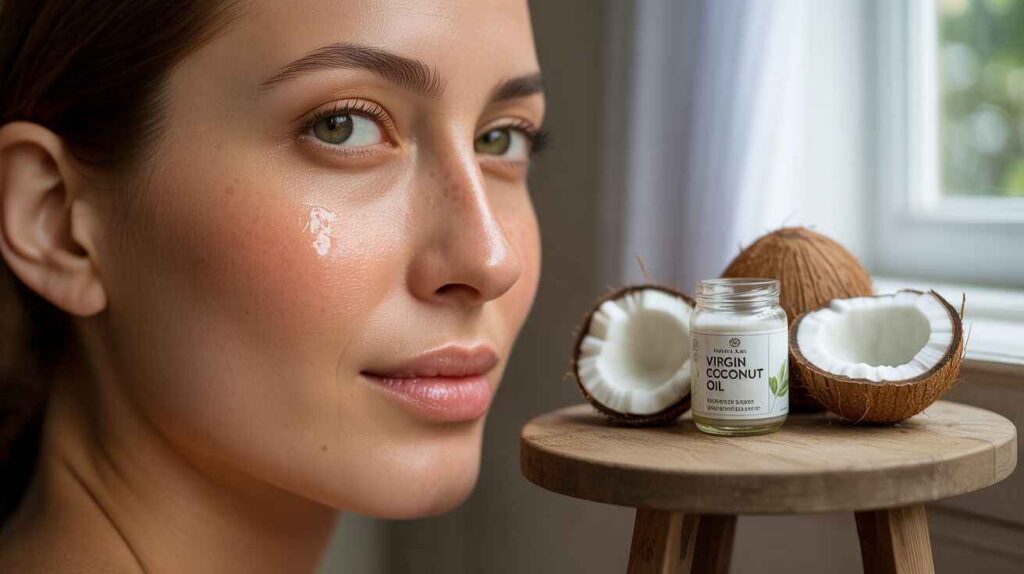
Brightening vs. Lightening: Key Differences
Many people ask, does coconut oil whiten skin, but confusion often comes from mixing up “brightening” and “lightening.” Brightening means improving radiance and reducing dullness, while lightening means reducing melanin in the skin.Coconut oil supports hydration and glow, which may make skin look more even, but it cannot chemically lighten or whiten. For those hoping to fade hyperpigmentation, proven ingredients like vitamin C or niacinamide are more effective, while coconut oil works best as a natural skin-brightening moisturizer.

Evidence: Studies & Dermatologist Opinions
Dermatologists agree that while coconut oil is excellent for moisturizing, there is no clinical evidence that it whitens or lightens skin. Research highlights its antimicrobial and anti-inflammatory properties, which can improve skin health, but not melanin reduction. Experts emphasize that coconut oil cannot whiten skin but may support a brighter, more hydrated appearance. For concerns like hyperpigmentation or dark spots, dermatologists recommend evidence-backed options such as vitamin C, niacinamide, or prescription treatments, which offer more reliable results.
| Point | Details |
|---|---|
| Moisturizing Benefits | Coconut oil is excellent for keeping skin hydrated and soft. |
| Clinical Evidence | No scientific proof shows coconut oil whitens or lightens skin. |
| Properties | Antimicrobial and anti-inflammatory; improves overall skin health. |
| Limitations | Does not reduce melanin, so it cannot whiten skin tone. |
| Expert View | Supports brightness and hydration but not true whitening. |
| Recommended Alternatives | Vitamin C, niacinamide, kojic acid, or dermatologist-prescribed treatments for hyperpigmentation. |
Realistic Results: Coconut Oil for Dark Spots & Uneven Tone
Coconut oil may soften skin and reduce dryness, which can make dark spots or uneven tone look less noticeable. Its antioxidants and fatty acids help repair the skin barrier, improving overall radiance. However, coconut oil does not fade hyperpigmentation or erase dark spots the way active brightening ingredients like vitamin C or niacinamide can. For lasting results, it works best as a supportive moisturizer that enhances glow rather than as a treatment for pigmentation or skin whitening.

How to Use Coconut Oil Safely for Skin
For best results, always choose virgin or cold-pressed coconut oil since it’s less processed and rich in antioxidants. Start with a small patch test to check for irritation. Apply a thin layer at night to dry areas, avoiding oily or acne-prone zones. Some people blend it with aloe vera or vitamin E for extra hydration. The key to safe use is moderation—too much coconut oil can clog pores, while light, occasional use helps brighten skin and support moisture.
Who Should Avoid Coconut Oil on Skin
While coconut oil benefits many, it isn’t right for everyone. People with oily or acne-prone skin often find it too heavy because it’s comedogenic, meaning it can clog pores and trigger breakouts. Sensitive skin types may also experience redness or irritation. If you notice pimples, irritation, or increased oiliness, it’s best to stop using coconut oil and switch to lighter options like jojoba or argan oil. Always test on a small area first and consult a dermatologist if unsure.

Better Alternatives for Skin Lightening & Brightening
If your goal is true lightening or fading hyperpigmentation, dermatologist-recommended ingredients work better than coconut oil. Vitamin C helps brighten skin and even tone, while niacinamide reduces dark spots and strengthens the barrier. Azelaic acid and kojic acid also target pigmentation effectively. Professional options like chemical peels or dermatologist-prescribed treatments offer faster results. Coconut oil can support hydration, but proven ingredients such as vitamin C or niacinamide are more effective for whitening or reducing pigmentation.
Bottom Line: Should You Try Coconut Oil to Whiten Skin?
So, does coconut oil whiten skin? The clear answer is no. It cannot reduce melanin or permanently lighten skin tone. What it can do is improve hydration, soften texture, and give your skin a healthy glow. Coconut oil works best as a natural moisturizer that enhances brightness, not as a whitening treatment. If you’re dealing with hyperpigmentation or stubborn dark spots, dermatologist-approved ingredients like vitamin C, niacinamide, or kojic acid are safer and more effective solutions.
FAQs
Q1: Does coconut oil whiten skin permanently?
Many people wonder, does coconut oil whiten skin permanently? The answer is no. Coconut oil cannot change melanin levels, which define your natural skin tone. What it can do is moisturize, soothe, and create a healthier skin barrier, which may make skin look brighter and more radiant. While coconut oil can temporarily improve glow and evenness, it does not provide permanent whitening effects. For lasting results, dermatologist-approved treatments like vitamin C or niacinamide are far more reliable.

Written by Malik Umar, a skincare expert with over 40 years of experience in health and beauty research. At the age of 65, he combines traditional wisdom with modern dermatology insights to help readers achieve healthy, glowing skin. His mission at Skin Hub is to make skincare knowledge simple, accessible, and effective for everyone.